
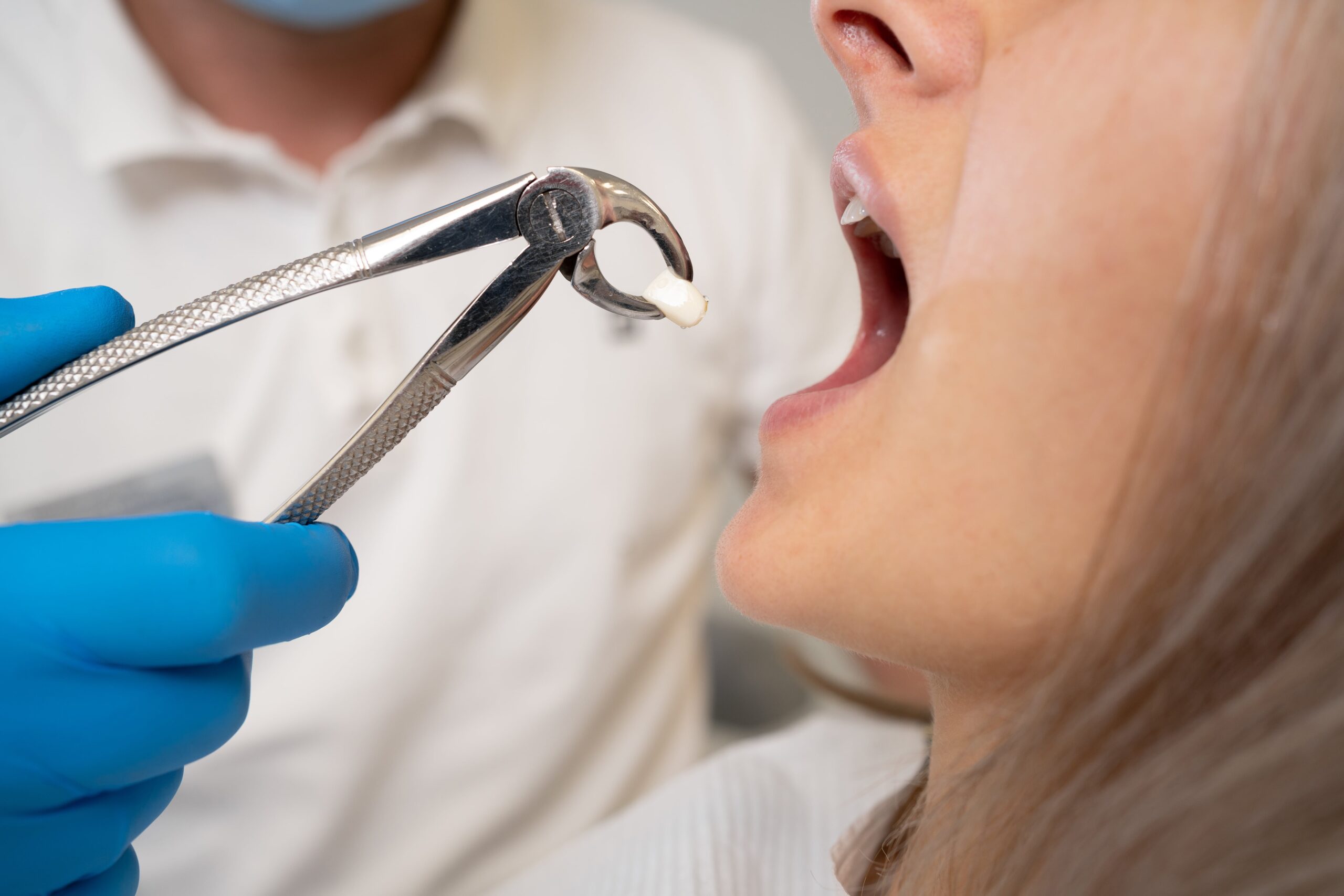
Removing a tooth is something many patients try to avoid until it becomes absolutely necessary, which is understandable. A tooth extraction changes how your mouth feels for a few days, and it is normal to wonder how to prepare for the recovery period. At Encinitas Family Dentistry, patients often ask what the next several days will look like, how much swelling is typical, and when they can safely return to their usual routines. This guide explains the entire process in clear, patient-friendly terms. It also includes local insight for anyone searching for Tooth Extractions in Encinitas, CA, whether you live near El Camino Real, Leucadia, Cardiff, or the Village area.
The goal is simple. When you know what to expect, the process feels less intimidating. Most patients recover smoothly. A few steps taken early, especially in the first twenty four hours, make the rest of the timeline far more comfortable.
The First 24 Hours Are Important
If you remember only one phase of recovery, it should be the first day. Your body begins healing immediately after the tooth is removed. A small blood clot forms inside the socket. This clot protects the bone and nerves beneath it and creates the foundation for new tissue. Keeping that clot stable is the top priority during the first twenty four hours.
Before you leave our Encinitas office, your dentist will place gauze and review personalized instructions. In most cases, the gauze stays in place for about thirty minutes. Some light bleeding is expected. When the gauze becomes damp, switch to a fresh piece and bite down with gentle pressure. By the time two or three hours have passed, most patients notice the bleeding has nearly stopped.
Small habits help the clot remain intact. Avoid spitting, rinsing, or drinking through a straw, since each of those movements creates suction that can disturb the healing site. Keep your head propped slightly when resting because it reduces pressure and swelling. If you place a cold pack on the cheek for short intervals, the area feels less puffy. Many patients use this method during the first evening, especially after a surgical extraction.
Eating feels most comfortable when you choose cool or soft foods. Applesauce, instant mashed potatoes, and yogurt all work well on the first day. Try to chew on the opposite side. If your dentist recommends a pain reliever, take it as directed and avoid aspirin, which may increase bleeding.
These simple steps make a real difference. At our office, patients who follow the first-day routine almost always experience a more predictable and comfortable recovery afterward.
How to Take Care of the Extraction Site
Once the first twenty four hours pass, your focus shifts to gentle cleaning. You can brush and floss the areas away from the extraction normally. Near the healing site, move slowly and avoid letting the toothbrush bristles touch the socket. Starting on day two, most patients can begin rinsing with warm salt water. This method reduces bacteria and soothes the tissue. Mix half a teaspoon of salt into a cup of warm water and let it roll gently around your mouth before allowing it to fall out naturally.
Avoiding tobacco during healing is important. Smoking can slow recovery and interfere with the clot. Even stepping away for two or three days can significantly help your body mend. The healing site will change a little each day. You may notice a soft, pale layer of tissue forming in the socket. This is part of normal healing and should not be removed. If you see slight swelling near the gums or feel mild tightness in your jaw, both are common reactions. Many patients report that these sensations fade gradually over several days.
If something feels unusual, do not hesitate to call. Sudden increases in discomfort, new swelling after improvement, bad breath that does not rinse away, or visible pus are worth mentioning. When your body gives a clear signal that something is not progressing the way it should, early evaluation helps prevent complications.
Healing Timeline and What to Watch For
Healing is not identical for everyone, but most patients in Encinitas follow a similar pattern. Factors such as age, overall health, and the type of extraction influence the pace. Below is a general timeline you can expect, based on what we commonly see in our office.
Days 1 to 2
Bleeding tapers off within the first few hours. Mild swelling begins and may continue into the second day. Soreness is noticeable when opening wide or speaking for long periods. Eating requires some patience, but soft foods remain manageable. Staying hydrated supports healing. Try to choose drinks that are room temperature.
Days 3 to 4
Swelling usually reaches its peak during this window, then slowly decreases. Many patients use a warm compress on the cheek, which feels soothing once the cold-pack phase has passed. Bruising sometimes appears near the jaw or neck, especially after surgical extractions. This discoloration fades on its own.
Days 5 to 7
The early healing tissue inside the socket becomes more noticeable. It may look white or light pink. A slight itchy or tickling sensation is common as nerves begin to settle. At this point, many patients feel comfortable transitioning back to more normal foods, though it is still smart to avoid crunchy items like nuts or chips on the extraction side.
Days 7 to 10
Most soreness resolves. The area continues to strengthen, and any remaining swelling fades. If sutures were placed and they were the dissolving type, they may begin to come apart naturally. If you received non-dissolving sutures, your dentist will let you know when they need to be removed.
Beyond 10 days
The socket will still be healing beneath the surface even if it looks stable from the outside. Your body continues to lay new tissue over the next several weeks. If you are preparing for a future procedure, such as a dental implant, your dentist will measure bone healing at a follow up appointment.
There are a few red-flag symptoms that should be evaluated promptly. Increasing discomfort after an initial improvement, a foul taste that persists, or pain radiating toward the ear may indicate a problem. These signs do not guarantee a complication, but they are worth checking. When in doubt, a phone call to your Encinitas dentist can give you clarity.
Getting Back to Normal
Patients often want to know when they can return to work, exercise, or social plans. The answer depends on the nature of your extraction and how your body responds. Many people with a simple extraction feel well enough to go back to work the next day, especially if their job does not require heavy lifting. Others choose to take a full day to rest, which is always acceptable.
Strenuous exercise and activities that raise blood pressure can increase swelling or cause bleeding to restart. For most patients, it is wise to wait at least forty eight to seventy two hours before resuming high intensity workouts. Gentle walking is usually fine after the first day as long as you listen to your body.
Alcohol should be avoided during the early healing period, particularly if you are taking any prescribed medication. Hot tubs, saunas, or long, hot showers can also add unnecessary pressure or heat to the area. Gradually return to your usual routines over the first week, adjusting based on how you feel.
Chewing on the extraction side should be avoided until the area feels fully comfortable. Cold or rough foods can irritate healing tissue. Many patients return to their normal eating patterns within seven to ten days. If your extraction involved a fractured root or extensive bone removal, the timeline may stretch a bit longer.
If a tooth was removed in preparation for future esthetic work, such as a veneer or implant, your dentist will discuss when the next steps can safely occur. Implant planning often requires a few months of healing, while esthetic restorations follow a shorter schedule. Every case is different, so your treatment plan will be tailored to your goals.
A Smoother Recovery with the Right Support
Having a reliable dental team makes a meaningful difference during recovery. When patients feel supported and know what to expect, they tend to experience less stress and fewer surprises. At Encinitas Family Dentistry, our team encourages you to reach out with questions at any point. We routinely help patients navigate the first few days after extraction, whether they visited us for an emergency appointment or a planned procedure.
Our office is located on North El Camino Real, a central area easily accessible from Leucadia Boulevard and Encinitas Boulevard. We frequently care for patients from Cardiff, Olivenhain, and nearby coastal neighborhoods. If you are searching for an Encinitas dentist who offers thoughtful, step by step guidance, our team is here to help.
Knowing the typical timeline and understanding how to care for the extraction site can turn a potentially stressful experience into one that feels far more manageable. Most patients return to their routines quickly and notice steady improvement each day. If you ever feel unsure about a symptom or have trouble keeping the area comfortable, a quick call to the office provides clarity and reassurance.
If you need an appointment, have questions about your recovery, or want to learn more about your options for Tooth Extractions in Encinitas, CA, our team at Encinitas Family Dentistry is here to help you feel confident at every step.