
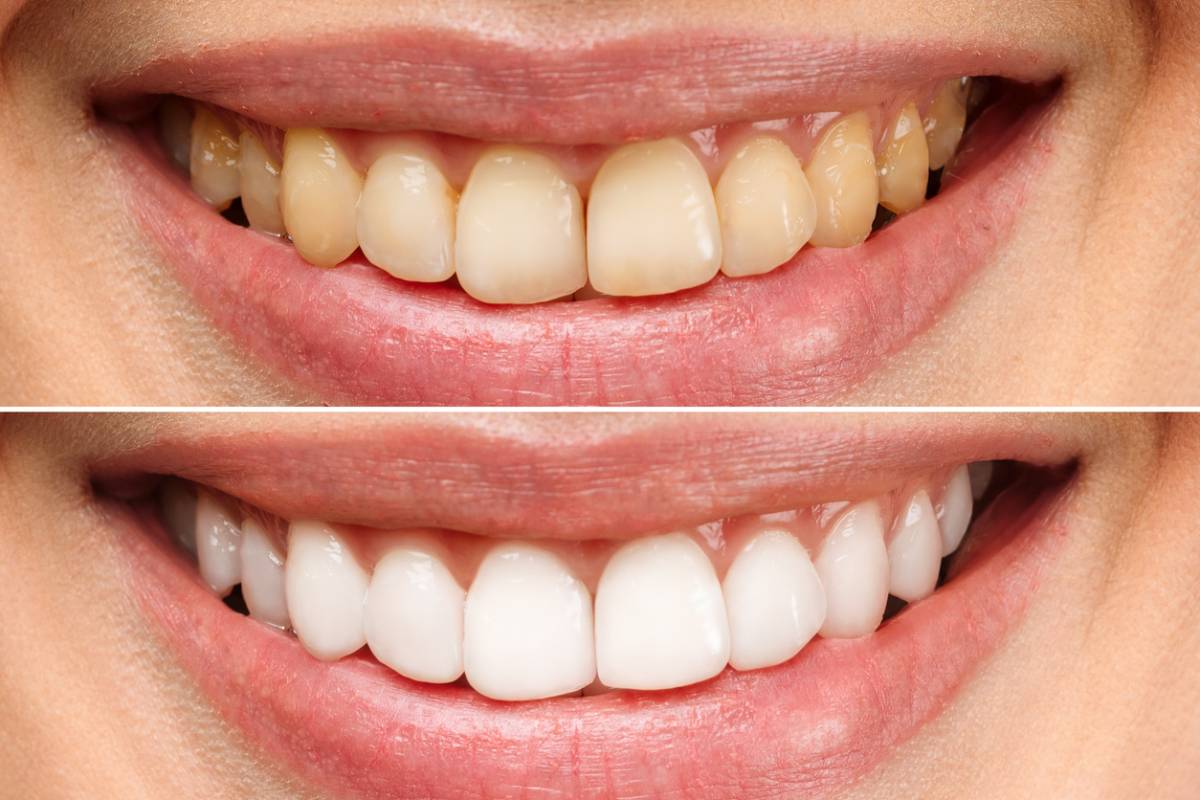
A bright, confident smile is one of the most sought-after features in modern dentistry. Many patients want whiter teeth, but a common question arises: how often is it actually safe to whiten them? While teeth whitening is highly effective, it is not something that should be done without understanding the timing, methods, and potential effects on your oral health.
At Encinitas Family Dentistry, patients often ask about the safest way to maintain a radiant smile without overdoing it. The answer depends on several factors, including the whitening method used, your enamel health, and your daily habits. This guide will walk you through everything you need to know so you can make informed decisions about your smile.
How Teeth Whitening Works
To understand how often you can whiten your teeth, it helps to first understand what the process actually does. Teeth whitening treatments work by using active ingredients such as hydrogen peroxide or carbamide peroxide. These compounds penetrate the outer layer of the tooth, known as enamel, and break down stains into smaller, less visible particles.
Discoloration can occur for many reasons. Common causes include coffee, tea, red wine, tobacco use, certain medications, and the natural aging process. Over time, the enamel becomes thinner, revealing more of the dentin beneath, which has a naturally yellow tone.
Professional whitening treatments offered by an Encinitas dentist are designed to safely lift both surface stains and deeper discoloration. In-office treatments typically use higher concentrations of whitening agents and may include light or laser activation to enhance results. At-home kits provided by your dentist use lower concentrations but are customized for your teeth, allowing for safe and gradual improvement.
Understanding this process is key because whitening is not just a surface-level change. It interacts with the structure of your teeth, which is why frequency matters.
Benefits of Professional Whitening
When considering how often to whiten your teeth, the method you choose plays a major role. Professional whitening offers several advantages over over-the-counter options, especially when it comes to safety and long-term results.
One of the most important benefits is customization. A dentist evaluates your oral health before recommending a whitening plan. This ensures that issues like cavities, gum disease, or enamel wear are addressed first, reducing the risk of complications.
Another advantage is effectiveness. Professional treatments deliver noticeable results more quickly, often lightening teeth by several shades in a single session. This means fewer repeat treatments are needed compared to store-bought products, which can sometimes lead to overuse.
Safety is also a major factor. Because the process is supervised, the risk of irritation or damage is significantly reduced. Custom trays help keep the whitening agent evenly distributed and away from sensitive gum tissue.
For patients seeking Teeth Whitening Encinitas, CA services, working with a dental professional ensures that your whitening schedule is tailored specifically to your needs, helping you achieve a brighter smile without compromising your oral health.
Potential Side Effects
While teeth whitening is generally safe, it is not completely free of side effects. Understanding these potential issues can help you avoid over-whitening and maintain a healthy balance.
The most common side effect is tooth sensitivity. Whitening agents temporarily open the pores in your enamel, allowing the bleaching compounds to reach the inner layers. During this time, your teeth may become more sensitive to hot, cold, or sweet foods and drinks. This sensitivity is usually temporary and resolves within a few days.
Gum irritation is another possible concern, especially if whitening products come into contact with soft tissue. This is more common with ill-fitting trays or improper use of over-the-counter products.
Overuse of whitening treatments can lead to enamel weakening over time. Although enamel does not regenerate, excessive whitening can make teeth more porous and prone to staining in the long run. Ironically, this can create a cycle where teeth appear dull more quickly, prompting more frequent whitening attempts.
There is also the issue of uneven whitening. Dental restorations such as crowns, veneers, and fillings do not respond to whitening agents in the same way as natural teeth. Repeated whitening can lead to mismatched shades if not carefully managed by a professional.
These potential side effects highlight why it is important to follow a structured whitening plan rather than whitening on impulse.
How Often Can You Whiten Your Teeth Safely?
This is the question most patients want answered, and the truth is that there is no one-size-fits-all timeline. However, there are general guidelines that can help you determine what is safe and effective.
For professional in-office whitening, most patients only need treatment once every 6 to 12 months. Because these treatments are more powerful, the results tend to last longer, especially when paired with good oral hygiene and lifestyle habits.
If you are using dentist-provided take-home trays, the typical recommendation is to use them for a designated period, often one to two weeks, and then pause. Touch-ups can be done every few months, depending on how quickly your teeth begin to discolor again.
Over-the-counter whitening products vary widely, but they are generally designed for short-term use. It is important to follow the manufacturer’s instructions closely and avoid using multiple products simultaneously, as this can increase the risk of sensitivity and enamel damage.
Lifestyle plays a significant role in how often you may need whitening. Patients who frequently consume staining foods and beverages or use tobacco products may notice discoloration returning more quickly. In these cases, your Encinitas dentist may recommend more frequent but controlled touch-ups rather than full treatments.
Age and enamel condition also matter. Younger patients often have thicker enamel and may respond more quickly to whitening, while older patients may require more careful planning to avoid sensitivity.
The safest approach is to treat whitening as a maintenance process rather than a constant routine. Think of it as something you revisit periodically, not something you do continuously.
Tips for Maintaining Whitening Results
If you want to reduce how often you need to whiten your teeth, focusing on maintenance is key. Small daily habits can make a significant difference in preserving your results.
One of the simplest steps is being mindful of what you eat and drink. Dark-colored beverages like coffee, tea, and red wine are among the biggest contributors to staining. While you do not have to eliminate them completely, using a straw or rinsing your mouth afterward can help minimize their impact.
Oral hygiene is another critical factor. Brushing twice a day with a fluoride toothpaste and flossing daily helps remove surface stains before they have a chance to settle. Using a whitening toothpaste occasionally can also help maintain brightness between treatments, although it should not replace professional whitening.
Regular dental cleanings are essential. Professional cleanings remove plaque and tartar buildup that can dull your smile, making your teeth appear brighter even without additional whitening.
Hydration plays a role as well. Drinking plenty of water helps wash away food particles and staining compounds, keeping your teeth cleaner throughout the day.
For patients who have completed a whitening treatment, your dentist may recommend periodic touch-up kits. These are designed to maintain your results without the need for a full treatment, making them a safe and effective option for long-term care.
Finally, avoiding tobacco products is one of the most impactful changes you can make. Smoking and chewing tobacco not only stain your teeth but also affect your overall oral health.
By following these tips, you can extend the life of your whitening results and reduce the need for frequent treatments.
Finding the Right Approach with Your Encinitas Dentist
Choosing the right whitening schedule is not just about how often you can whiten your teeth, but how you can do so safely and effectively. Every patient’s needs are different, and what works for one person may not be ideal for another.
At Encinitas Family Dentistry, patients receive personalized recommendations based on their dental history, lifestyle, and goals. Whether you are preparing for a special event or simply want to refresh your smile, working with an experienced Encinitas dentist ensures that your whitening plan is both effective and safe.
Teeth whitening can be a powerful way to enhance your appearance and boost your confidence, but it should always be approached with care. By understanding how whitening works, recognizing potential side effects, and following professional guidance, you can enjoy a brighter smile without compromising your oral health.
If you are considering Teeth Whitening Encinitas, CA services, the best first step is a consultation. This allows your dentist to evaluate your teeth and recommend a plan that fits your needs, helping you achieve lasting, natural-looking results while protecting the health of your smile.